We need a new water morality for the “Cloud Era”
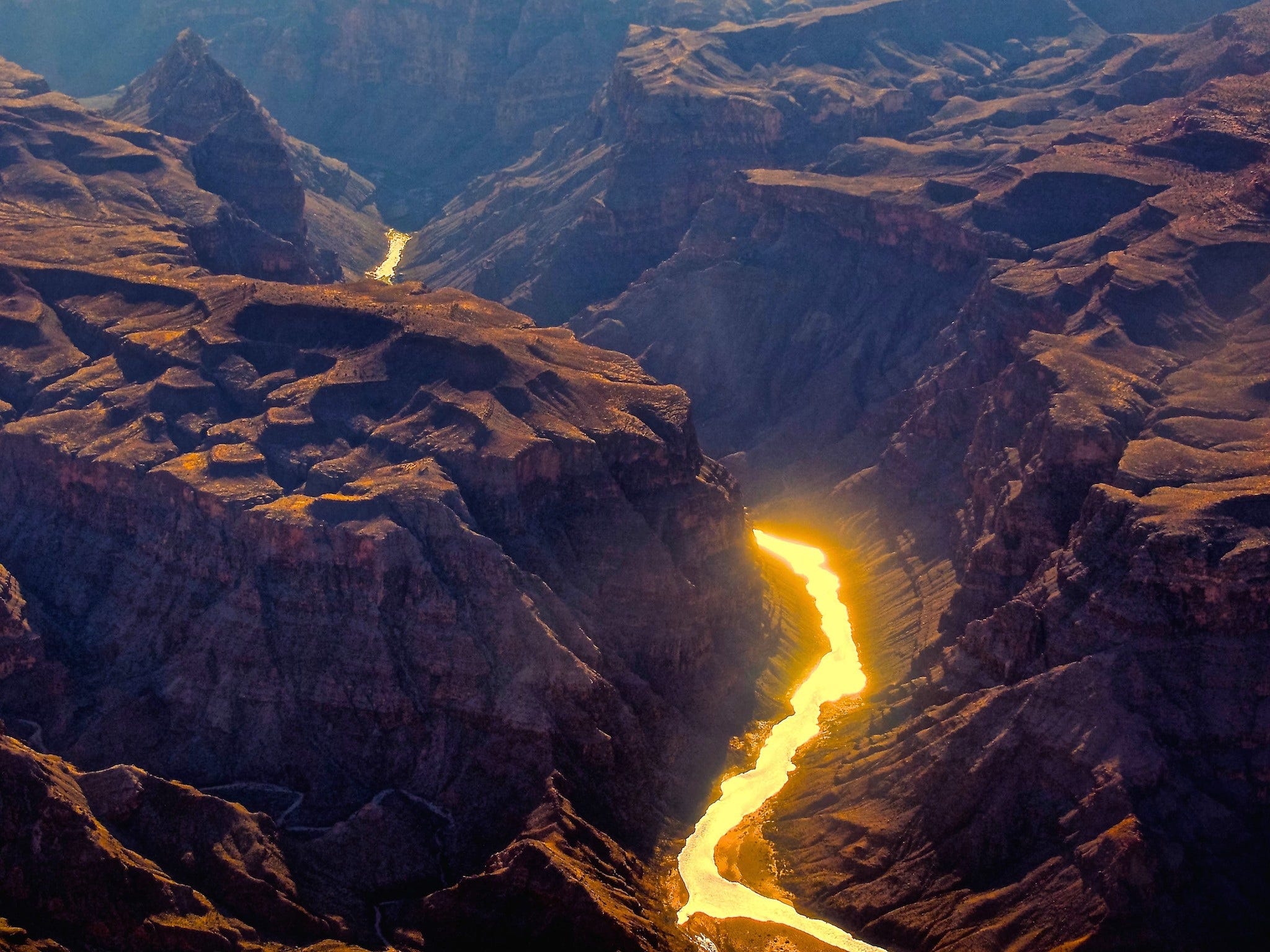
The Colorado River once sustained life and carved canyons; today, it is divided by politics, greed, and policies —revealing a crisis that is not only hydrological, but moral.

Our Fellow in Residence Valerisa Gaddy is an environmental scientist with an emphasis in microbiology of the Diné (Navajo) people who has spent her carreer serving the Diné people through outreach and engagement. In this guest essay, she argues that water scarcity issues across the Colorado River Basin won’t be fixed by just policies, but by a new “water morality” shaped by Indigenous thinking.
In Feb 2025, the resurgence of environmental rollbacks under the second Trump administration1 left environmental groups scrambling as federal funding dried up. I felt it, too. I struggled to make sense of the chaos as my governmental funding vanished and climate-related work was stripped away in real time. At the small nonprofit where I work, Watershed Management Group in Tucson, AZ, the impacts were immediate – layoffs started and projects halted, stalling our efforts to restore our heritage rivers.
In the midst of these rollbacks, Tucson emerged as a target for large-scale data center development Project Blue, which demands vast amounts of water in a region already defined by scarcity. The message was clear: even as communities were asked to conserve, powerful industries were being ushered in, backed by the government in the form of policies that prioritize economic growth over ecological balance. These industries are willing to further strain the same river system that Indigenous communities and desert residents have stewarded for generations, with the only goal of supporting infrastructure that few local residents will directly benefit from.
This is where a historic crisis reveals itself most clearly. What we are facing is not just a matter of drought or declining water levels—it is a question of values. Who gets to use water, and for what purpose? Who bears the burden when it runs short? Time and again, the answer has placed Indigenous, Latino, and rural communities last in line, forced to adapt to decisions made without them. The Colorado River’s decline is often framed as a technical problem to be managed, but on the ground, it feels much more personal. It is a continuation of a long history of extraction, exclusion, and sacrifice. To me, it’s obvious that what we’re facing now isn’t just a hydrological crisis. It’s a moral one. For centuries, policies guiding the river’s flow have reflected a worldview where water exists to be extracted and controlled. It’s a stark contrast to the way we Navajo people think about water. In our language, we call water Tó, and we speak of it not as a commodity, but as a living being. To mistreat water is to mistreat life.
A sense of déjà vu
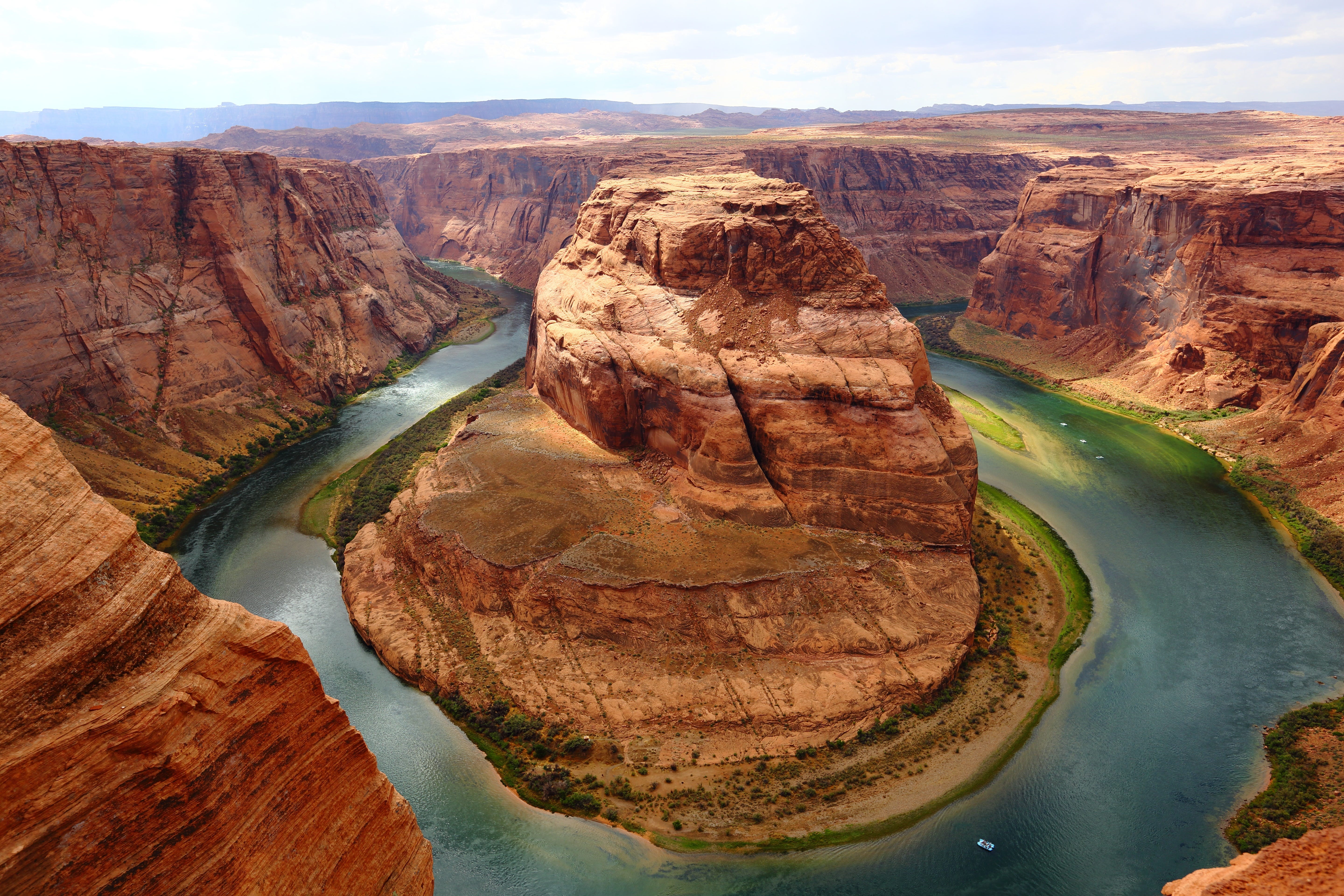
I’ve heard this story before: powerful entities prioritizing extractive industries, development, and short-term economic booms, while communities—especially Indigenous, Latino, and rural—are left to ration water, relocate livestock, and pray that monsoon season doesn’t come up dry. This pattern dates back well before the 1922 Colorado River Compact, a 7 state agreement that excluded Tribes from water allocations that were, even then, based on overly optimistic estimates of the river’s flow2. That exclusion did not simply disappear—it echoes into the present, shaping both policy and lived experience across the Colorado River Basin.
The current administration is just a bare-bones version of the worldview that has guided how the U.S government treats the river for centuries.
One might think the current administration has meant an abrupt U-turn for the Colorado River and the people who depend on it. But if we look closely, the current administration is just a bare-bones version of the worldview that has guided how the U.S government treats the river for centuries. In the summer of 1979, my mother—living along a tributary of the Colorado River—witnessed firsthand the largest radioactive spill in U.S. history. It happened on Navajo land, when over 94 million gallons of toxic uranium mine tailings breached into the Puerco river, flooding the waterways and poisoning the soil beneath her feet3 . Large quantities of water were already being extracted from the Navajo people due to the mining industry. As the toxic water spread, Navajo families lost livestock, crops, and livelihoods while the mining company and U.S. government looked the other way. Decades later, the form of extraction has changed, but the logic has not. It is happening again with data centers.
A Needed Reckoning
Digitizing is often framed as clean, intangible infrastructure known as the “cloud.” But as the American Water Works Association (AWWA) makes clear, there is nothing abstract about the cloud’s footprint. Data centers rely on vast quantities of water for cooling, often drawing from the same potable supplies that communities are being asked to conserve. In a desert, that contradiction cannot be ignored.
What makes this moment especially dangerous is how these demands are embedded into our systems. Water utilities, already stretched thin, are increasingly expected to accommodate large, continuous, high-quality water users without full visibility into their long-term needs. The AWWA notes that many utilities lack standardized reporting from data centers, making it difficult to plan for cumulative impacts or ensure sustainable withdrawals. Decisions are made quickly, often behind closed doors. That’s exactly how it happened in Project Blue. Meanwhile, the consequences unfold slowly and publicly, through declining aquifers, stressed river systems, and communities forced to do more with less.
Technical fixes alone will not solve what is, at its core, a moral crisis.
This is not just a failure of planning. It is a continuation of a pattern: industries arrive with promises of economic growth, while the true costs, both environmental and cultural, are externalized onto the most vulnerable4. And like before, those costs are not evenly shared. The benefits of data centers are diffuse and global, but the water they consume is local and finite. In places like southern Arizona, every gallon diverted to cool a server is a gallon that cannot recharge the soil, sustain riparian ecosystems, or remain available for future generations.
Future of water morality for the “Cloud Era”
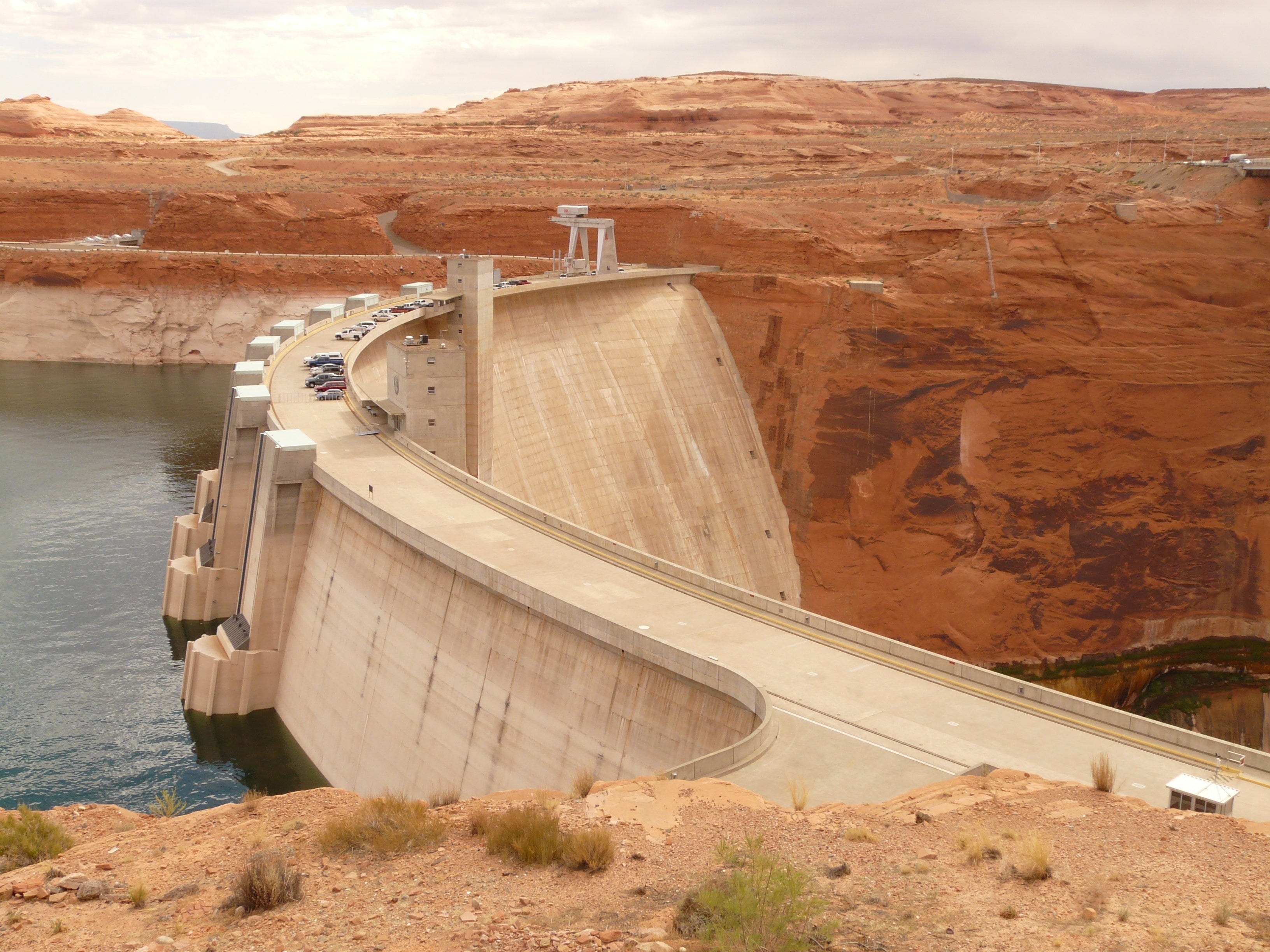
If Arizonans are serious about protecting our water, especially the Colorado River, then the rules must change. At a minimum, data center development in arid regions should require full transparency around water use, enforceable efficiency standards, and municipalities need to listen to communities when they voice concerns of data centers. Everyone needs to relearn how to not treat water as a cheap and limitless input– that illusion must end.
But technical fixes alone will not solve what is, at its core, a moral crisis. To reclaim the future of our heritage rivers, and in particular the Colorado River, we need more than just policy reform. We need a reckoning. One that acknowledges historical inequities, prioritizes tribal and frontline community voices, and values the river not just as a resource, but as a relative.
We must also rethink who gets a seat at the table when these decisions are made. Tribal Nations, frontline communities, and those most impacted by water scarcity must have real authority, not just consultation, in determining how water is allocated and protected. Without that shift, we risk repeating the same injustices under a different name.
Our heritage rivers, including the Colorado River, have always been more than a resource. It is a lifeline, a relative, and a responsibility. The question before us is whether we will continue to treat it as an engine for unchecked growth, or whether we are finally ready to act with restraint, respect, and accountability. We know that when the river suffers, we all do. And we know that the Colorado River doesn’t need more policies. It needs its relatives.
Eilperin, J. (2020). Trump’s environmental rollback: A look back. The Washington Post.
Glennon, R. (2002). Water Follies: Groundwater Pumping and the Fate of America’s Fresh Waters. Island Press.
Brugge, D., deLemos, J., and Bui, C.. “The Sequoyah Corporation Fuels Release and the Church Rock Spill: Unpublicized Nuclear Releases in American Indian Communities.” In: American Journal of Public Health 97, no. 9 (2007): 1595-1600.
Udall, B., & Overpeck, J. (2017). The 21st-century Colorado River hot drought and implications for the future. Water Resources Research, 53(3).